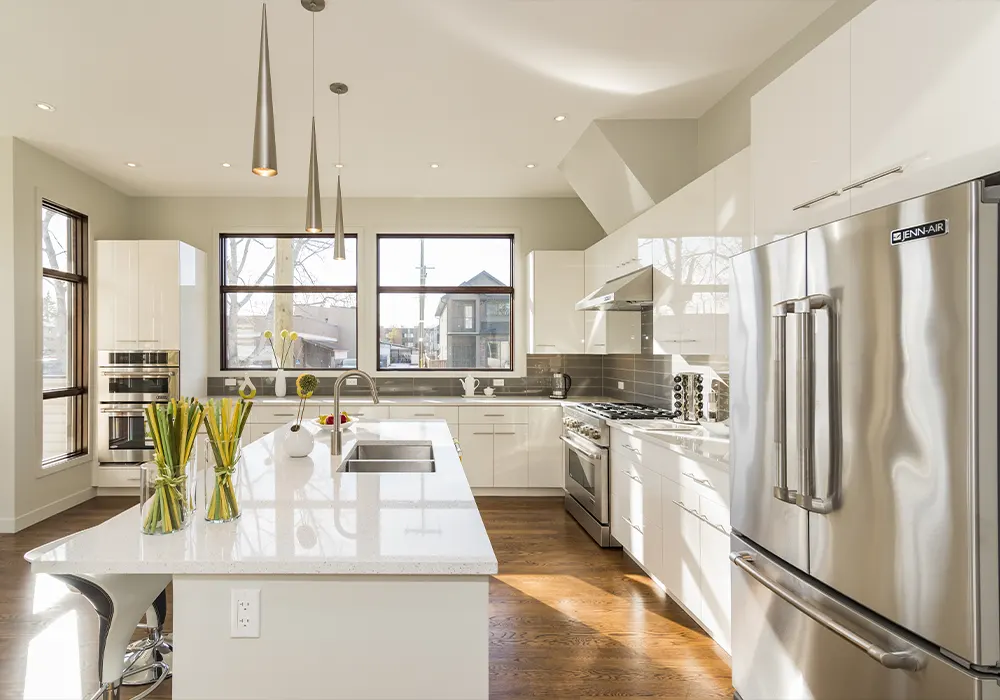
Modernizing a Historic CT Home: How to Update Kitchens & Baths Without Losing New England Charm
Table of contents
Why historic Connecticut homes deserve a thoughtful remodeling approach
Owning a historic home in Connecticut is both a privilege and a responsibility. Communities like West Hartford, Farmington, Avon, Simsbury, Glastonbury, Bristol, and Southington are known for neighborhoods filled with Colonial, Victorian, Cape Cod, Craftsman, and early 20th-century homes that showcase generations of craftsmanship.
While these homes offer timeless beauty, they often struggle to meet modern lifestyles. Small kitchens, outdated bathrooms, aging plumbing, insufficient electrical systems, and inefficient layouts can make everyday living less comfortable than homeowners expect.
That’s where
historic home remodeling CT becomes much more than a cosmetic renovation. The goal isn’t to erase history. It’s to preserve the architectural character while carefully integrating today’s conveniences, improved functionality, and luxury finishes.
Rather than replacing everything, successful remodeling focuses on respecting the home’s original identity while making thoughtful improvements that increase comfort, safety, efficiency, and long-term value.
The biggest challenges when remodeling older homes
Every historic property tells its own story, and every renovation presents unique surprises.
Unlike newer construction, remodeling older homes requires flexibility, technical knowledge, and experience solving problems that are often hidden behind finished walls.
Some of the most common challenges include:
Outdated plumbing
Many Connecticut homes still contain aging galvanized pipes or plumbing layouts that no longer meet modern needs. Kitchen and bathroom remodels provide the perfect opportunity to replace outdated systems before they become costly emergencies.
Old electrical systems
Historic homes were never designed for today’s electrical demands. Modern appliances, heated floors, luxury lighting, smart home technology, and multiple dedicated circuits often require significant electrical upgrades.
Uneven floors and settling
Homes that have stood for over a century naturally settle over time. Floors may slope, walls may no longer be perfectly square, and ceilings often require careful adjustment during remodeling.
Experienced contractors understand how to work with these conditions rather than forcing modern construction methods onto an older structure.
Hidden structural surprises
Once demolition begins, contractors may discover water damage, outdated framing methods, insect damage, or previous repairs that require correction before new finishes can be installed.
Planning for these possibilities helps projects stay organized while protecting the home’s long-term integrity.
How to modernize a historic kitchen without losing its character
The kitchen has become the center of today’s home, but many historic Connecticut houses still feature kitchens designed decades before modern family life.
A thoughtful
historic kitchen renovation Connecticut balances improved functionality with timeless design.
Open the space strategically
Many remodeling articles recommend removing every wall possible.
In reality, preserving portions of the original floor plan often maintains the home’s architectural identity while still creating a more open, welcoming environment.
Instead of complete demolition, strategic openings, wider passageways, or improved sightlines can dramatically improve flow without sacrificing character.
Blend traditional cabinetry with modern function
Custom cabinetry allows homeowners to enjoy:
Soft-close drawers
Hidden storage
Pull-out organizers
Appliance garages
Integrated recycling centers
Pantry solutions
All while maintaining a timeless appearance that complements the home’s architecture.
Classic shaker cabinetry, inset doors, and carefully selected hardware often pair beautifully with historic homes.
Upgrade countertops thoughtfully
Natural quartz, quartzite, marble, and premium granite provide durability while complementing traditional New England design.
Choosing subtle veining and neutral tones helps maintain a timeless appearance instead of following short-lived design trends.
Improve lighting
Older kitchens often rely on a single ceiling fixture.
Modern layered lighting combines:
Recessed lighting
Pendant fixtures
Under-cabinet lighting
Accent lighting
Natural daylight
The result is a brighter, more functional kitchen that still feels warm and inviting.
Luxury bathroom remodeling for historic homes
Bathrooms are another area where historic homes frequently fall behind modern expectations.
Limited storage, cramped layouts, outdated fixtures, and aging plumbing can make daily routines frustrating.
Luxury historic bathroom remodeling focuses on creating a relaxing retreat while respecting the home’s overall style.
Popular upgrades include:
Walk-in showers with frameless glass
Freestanding soaking tubs
Heated tile floors
Floating vanities
Custom built-in storage
High-efficiency plumbing fixtures
Premium porcelain and natural stone tile
Rather than making the bathroom feel disconnected from the rest of the house, carefully selected materials help the new space blend naturally with the home’s historic character.
Warm wood tones, polished nickel fixtures, classic subway tile, marble accents, and timeless color palettes create bathrooms that feel both elegant and authentic.
The hidden upgrades that make old homes safer
Some of the most valuable improvements are the ones homeowners never see.
Behind every beautiful kitchen or bathroom lies the infrastructure that keeps the home safe and functional for decades.
A comprehensive remodeling project often includes:
Modern plumbing systems
Replacing aging pipes improves water pressure, reduces the risk of leaks, and prepares the home for future needs.
Electrical improvements
Updated wiring supports modern appliances, smart technology, GFCI protection, and today’s safety standards.
Better insulation
Opening walls during remodeling creates opportunities to improve insulation, helping homeowners enjoy greater comfort and energy efficiency.
Ventilation
Modern exhaust systems reduce moisture buildup, helping prevent mold while protecting finishes over time.
Although these improvements aren’t immediately visible, they often provide some of the greatest long-term value.
Architectural features worth preserving
One of the biggest mistakes homeowners make is assuming every original feature should be replaced.
Many historic elements can be restored or incorporated into a fresh design.
Features often worth preserving include:
Original wood trim
Crown molding
Decorative millwork
Hardwood flooring
Built-in cabinetry
Exposed beams
Historic fireplaces
Original staircases
Window casings
These architectural details provide warmth and authenticity that are difficult to replicate with new construction.
Instead of competing with them, modern remodeling should highlight them.
For example, a beautifully restored wood beam can become the focal point of a luxury kitchen featuring custom cabinetry and professional-grade appliances.
Historic districts and local considerations in Connecticut
Many Connecticut communities contain historic districts or neighborhoods where remodeling projects may require additional planning.
Depending on the location, homeowners may need approvals before making exterior modifications.
Although interior renovations typically provide greater flexibility, it’s still important to understand local requirements before beginning construction.
Experienced contractors help homeowners navigate:
Local permitting
Building code compliance
Structural inspections
Electrical inspections
Plumbing inspections
Historic district considerations when applicable
Planning these details early helps prevent delays while keeping the project moving efficiently.
Choosing materials that blend old and new
Selecting the right materials is one of the most important decisions in any remodeling project.
The goal isn’t to make a historic home look brand new.
Instead, materials should complement the home’s original architecture while providing modern durability.
Excellent choices often include:
Cabinetry
Simple shaker profiles remain one of the most timeless cabinet styles for historic Connecticut homes.
Tile
Subway tile, marble mosaics, porcelain with natural stone appearance, and handcrafted ceramic tile all work beautifully in traditional settings.
Countertops
Quartz offers exceptional durability with elegant, understated patterns that pair well with classic interiors.
Flooring
Depending on the project, refinishing existing hardwood floors may preserve far more character than replacing them.
When replacement is necessary, selecting flooring that matches the home’s original species and finish creates a cohesive appearance.
Hardware
Small details matter.
Cabinet pulls, faucets, lighting fixtures, and door hardware should reflect the home’s architectural style rather than the latest design trend.
Why experience matters in historic home remodeling
Not every remodeling contractor is prepared for the complexities of older homes.
Historic renovations require careful planning, patience, craftsmanship, and the ability to adapt when unexpected conditions arise.
Homeowners should look for a contractor who is:
Licensed and insured
Experienced with older homes
Organized and punctual
Committed to maintaining clean job sites
Skilled in both structural improvements and fine finish work
Focused on communication throughout the project
With more than 10 years of experience, Tuon Home Improvement LLC understands the unique challenges that come with remodeling Connecticut’s historic homes.
Whether updating a luxury kitchen, transforming a dated bathroom, or completing a full remodeling and renovation project, the team’s approach balances modern functionality with respect for the home’s original craftsmanship.
Every decision is made with long-term performance, attention to detail, and premium workmanship in mind.
Bring modern comfort to your historic Connecticut home
Historic homes deserve renovations that celebrate their past while preparing them for the future.
Whether you’re considering
remodeling older homes West Hartford CT, planning a
historic kitchen renovation Connecticut, or investing in
luxury historic bathroom remodeling, success comes from balancing preservation with innovation.
When done correctly, you don’t have to choose between historic charm and modern comfort. You can enjoy both.
If you’re ready to transform your home while preserving the architectural character that made you fall in love with it, Tuon Home Improvement LLC is here to help.
Serving homeowners throughout West Hartford, Farmington, Avon, Simsbury, Glastonbury, Bristol, Southington, and surrounding Connecticut communities, our team delivers premium craftsmanship, thoughtful design, and a remodeling experience built on quality from start to finish.
Call us today at
(860) 841-3323 to schedule your consultation and discover how your historic Connecticut home can be beautifully updated without losing the timeless New England charm that makes it truly one of a kind.